Last reviewed: October 2026 by the InjuryLawResource Editorial Team. This guide is general information, not legal advice.
E-scooters and bicycles have transformed urban transportation — but with more riders on the road comes more accidents. Whether you were riding a rental scooter such as Lime or Bird, your own scooter, or struck by one while walking, the liability questions are surprisingly complex. Insurance often doesn’t apply in the way people expect, and riders frequently discover they’re more exposed than they realized. Here’s what you need to know.
How Common Are E-Scooter Accidents?
The Consumer Product Safety Commission estimates that 79,300 e-scooter injuries were treated in U.S. emergency departments in 2024, and 149,100 across all micromobility products such as e-bikes and hoverboards, up from 37,300 in 2017. Head injuries, fractures and road rash are common. Many involve a rider falling after hitting a pothole, curb or uneven pavement rather than a collision with a vehicle.
Who Is Liable When an E-Scooter Rider Is Injured?
If a vehicle struck you
If you were riding an e-scooter or bicycle and a car, truck, or other vehicle hit you, the at-fault driver’s liability insurance is your primary recovery source — the same as any other vehicle accident. Given the vulnerability of riders vs. motor vehicles, these cases often result in significant injuries and substantial claims.
If the scooter was defective
E-scooters have documented issues with sudden brake failures, acceleration malfunctions, battery fires, and loose handlebars. If a mechanical or manufacturing defect caused your accident, you may have a product liability claim against the scooter manufacturer or the rental company that failed to maintain it properly.
If road conditions caused the accident
Potholes, uneven pavement, missing manhole covers, and other hazardous road conditions can cause riders to crash. If a government entity was responsible for maintaining the road and failed to do so, you may have a premises liability or government negligence claim. These cases often have short notice deadlines — act quickly.
If the rental company was negligent
Rental companies such as Lime and Bird are responsible for maintaining their scooters in safe working condition. If a scooter in their fleet was poorly maintained and that led to your injury, the company may be liable. However, most rental companies include liability waivers in their user agreements, which can complicate claims — though waivers aren’t always enforceable.
What About the Liability Waiver in the App?
When you sign up for a Bird or Lime account, you agree to terms that include liability waivers. These waivers attempt to shield the company from lawsuits even when their equipment is defective. Courts have sometimes upheld these waivers, but not always — especially when:
- The defect was a result of gross negligence or reckless disregard for safety
- The waiver was hidden in fine print and wasn’t meaningfully agreed to
- State law limits the enforceability of blanket liability waivers
Don’t assume a waiver eliminates your options — consult an attorney who can evaluate whether it would hold up in your state.
What Insurance Covers E-Scooter Accidents?
This is where many riders are surprised:
- Auto insurance — MedPay or PIP on your own auto policy may cover your injuries in some states and policies; check the terms
- Homeowners/renters insurance — covers your liability if you injure someone else, not your own injuries, and many policies exclude motorized vehicles such as e-scooters
- Health insurance — covers medical bills regardless of fault
- Rental company coverage — some companies offer optional rider protection plans through the app
- At-fault driver’s liability insurance — if you were hit by a vehicle
Bicycle Accidents: Same Rules, Different Vehicles
The same liability framework applies to bicycle accidents. If a driver hits you while cycling, their liability insurance covers your damages. Cyclists have the same rights as other road users and drivers have a duty to share the road safely. Hit-and-run bicycle accidents may be covered by your own uninsured motorist coverage. See hit and run: your rights and options.
Bicycle defect claims are less common but do arise — particularly with carbon fiber frames, disc brakes, and e-bike motors, where manufacturer defects can cause serious crashes.
What to Do After an E-Scooter or Bicycle Accident
- Call 911 and get a police report
- Seek immediate medical care
- Photograph the scooter or bicycle (especially any apparent defects), the road surface, your injuries, and the surrounding area
- Screenshot your rental session in the app before it closes
- Don’t return the scooter if it was defective — preserve it as evidence if possible
- Collect witness names and contact information
- Contact an attorney before speaking with any insurance company
Frequently Asked Questions
Do I need a helmet? Does it affect my claim?
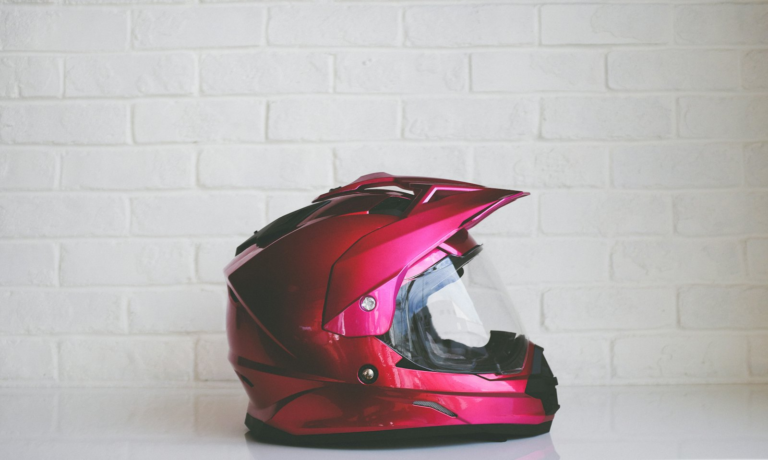
Helmet laws vary by state and city. In states where helmets are required, not wearing one may reduce your recovery under comparative negligence rules. In states without a helmet requirement, failure to wear one is generally not held against you unless it directly contributed to your specific head injury.
What if I was at fault for the e-scooter accident?
Comparative negligence rules apply: even if you were partially at fault, you may still recover compensation reduced by your percentage of fault. In Alabama, Maryland, North Carolina and Virginia, any fault can bar your claim; Washington, D.C. has an exception for cyclists and other vulnerable road users hit by vehicles. See fault rules in all 50 states.
Can a pedestrian sue if hit by an e-scooter?
Yes. A pedestrian struck by a negligently operated e-scooter can sue the rider directly. The rider’s homeowner’s, renter’s or auto insurance may provide coverage, though many policies exclude motorized scooters. The rental company may also bear some liability if the scooter was deployed on a crowded pedestrian path in violation of local regulations.
Related guides: Pedestrian accident claims · Product liability claims · Comparative negligence by state
Sources
- U.S. Consumer Product Safety Commission, Micromobility Products-Related Deaths, Injuries and Hazard Patterns, 2017–2024
- D.C. Code § 50-2204.52
Rules for e-scooters, bicycles, helmets, waivers and insurance vary by state and city. Confirm how they apply to you with a licensed attorney.
Injured on or by an E-Scooter or Bicycle? Get Help Now
These cases involve a patchwork of insurance policies, waivers, and municipal liability issues. An attorney can cut through the complexity, identify every available source of compensation, and build the strongest possible claim. Our guide explains how to find and check a lawyer.